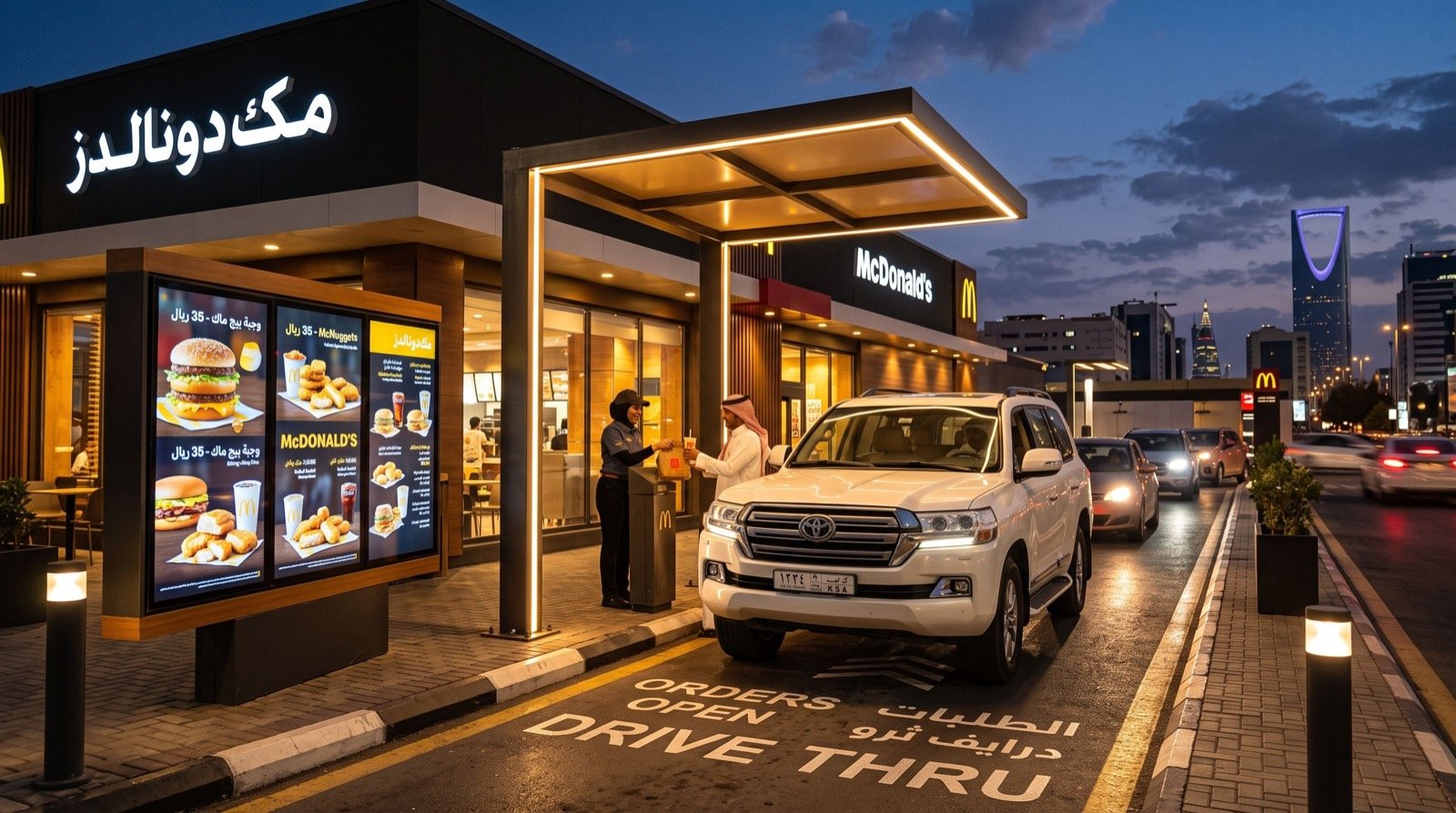
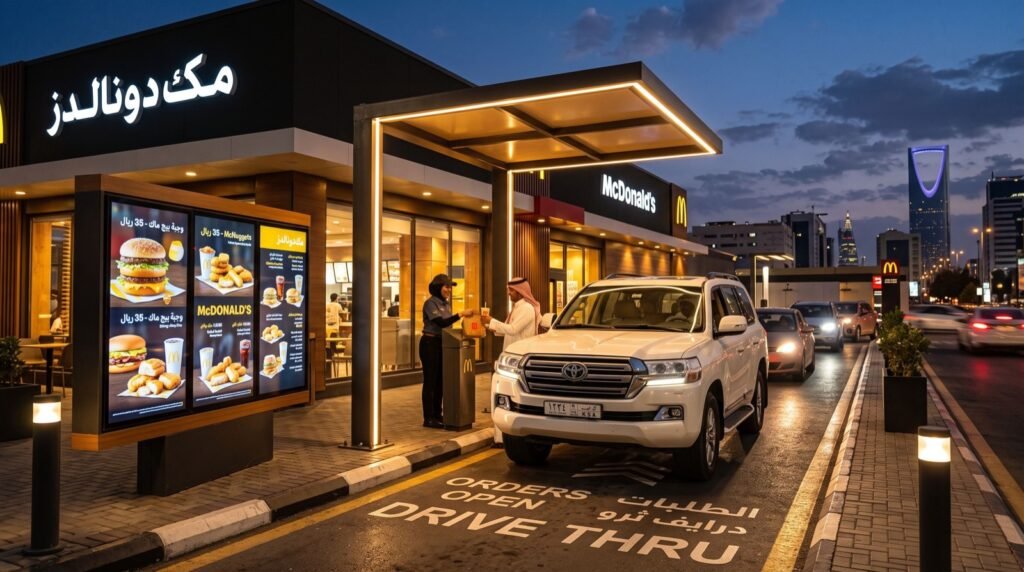
Drive-Thru Systems in Saudi Arabia: The 2026 Buyer’s Checklist
A fast food chain in Jeddah loses a customer the moment the car in front sits at the speaker box for ninety seconds without moving. Speed is the entire business model of a drive-thru lane, and in 2026 the gap between a modern digital setup and an old analog intercom is wider than ever. This checklist walks Saudi restaurant and retail operators through everything worth knowing before signing a contract for new drive-thru hardware, alongside the related technology that keeps a busy front counter running without a single-point bottleneck.
Whether you operate one location or a chain of twenty across Riyadh, Jeddah, and Dammam, the right setup pays for itself through faster car counts per hour and fewer abandoned orders. Below, we cover the hardware categories, the common mistakes operators make, and a realistic budget range for 2026.
Why Drive-Thru Speed Is a Competitive Weapon in Saudi Arabia
Saudi Arabia’s quick-service restaurant market has expanded rapidly over the past several years, and competition for the same customer base means speed of service is now a brand differentiator, not a back-office detail. Chains that shave even fifteen seconds off average order time see measurable gains in cars served per shift.
The cost of a slow lane
Every extra minute a car idles in line is a minute closer to that customer giving up and leaving, or worse, posting a complaint online. Multiply that across dozens of locations and the revenue leak becomes significant over a full year. The Saudi General Authority for Statistics has tracked steady growth in the Kingdom’s food service sector in recent years, data available at stats.gov.sa, which underlines just how much competition for the same customer is intensifying across major cities.
Core Hardware for Drive-Thru Systems in Saudi Arabia
A complete setup typically includes several interlocking pieces of hardware and software, and skipping any one of them creates a weak link in the chain.
- Digital menu boards — bright, easy-to-read displays that update pricing and promotions instantly across every location from a central dashboard.
- Headset communication system — clear, noise-canceling audio between the order-taker and the kitchen crew, critical in loud outdoor environments.
- Order confirmation screen — a second screen showing the customer their order before they pull forward, which cuts down on mistaken orders dramatically.
- Timer and analytics system — tracks how long each car spends at each stage of the lane, feeding data back to management.
- Vehicle detection loop — signals the kitchen the moment a car arrives, so staff start preparing before the order is even finished.
Operators sourcing a complete, proven package often look at established Drive-thru Systems in Saudi Arabia providers who already understand local climate conditions, Arabic-language menu board requirements, and the realities of supporting hardware across a hot, dusty outdoor environment year-round.
Comparing Setup Tiers for 2026
Not every location needs the same level of investment. Here is a realistic breakdown of what Saudi operators are choosing between this year.
| Tier | Best For | Typical Features | Relative Investment |
|---|---|---|---|
| Basic | Single independent location | Headset, static menu board, order screen | Low |
| Standard | Small chains, 2-10 branches | Digital menu boards, timer analytics, central updates | Moderate |
| Enterprise | National chains, 10+ branches | Full analytics suite, AI order prediction, multi-site dashboard | High |
Most operators underestimate how quickly a basic setup becomes a limitation once they open a second or third location. Planning one tier above your current need usually saves a costly re-purchase within two years.
Combining Drive-Thru With Front-Counter Queue Technology
Drive-thru and walk-in counters are usually treated as separate projects, but the smartest Saudi operators now unify both under one technology plan. A customer who walks in rather than drives through should get the same fast, organized experience, which is why pairing drive-thru investment with a proper queue management system in saudi arabia makes sense for any multi-service retail or food location. The same vendor relationship often means shared support contracts and faster technician response when something breaks during a busy weekend rush.
What about smaller, single-counter restaurants?
Even a small shawarma shop or coffee kiosk with no drive-thru lane benefits from organized queue flow during Friday prayer rush hours or Ramadan evening traffic, so the underlying logic applies well beyond big chains.
Staff Training: The Overlooked Half of the Investment
Hardware alone does not fix a slow lane. Staff need training on the new workflow, and this step gets skipped far too often by operators eager to go live quickly.
- Run a one-week pilot shift with the new system before full rollout.
- Assign one staff member as the “lane captain” to watch timing and flag bottlenecks in real time.
- Review the timer analytics weekly for the first month to catch patterns, like a particular menu item that always slows the kitchen down.
- Retrain seasonal or new hires specifically on headset etiquette, since unclear communication is the single biggest cause of order errors.
One original tip from the field
A detail most installation guides skip: angle the order confirmation screen slightly downward rather than facing straight out. Direct desert sun glare off a flat-facing screen makes it nearly unreadable during Saudi Arabia’s long bright afternoons, and a five-degree downward tilt solves the problem without any extra hardware cost.
Reliability and Local Support Matter More Than Price
A drive-thru headset system that fails during peak lunch rush costs far more in lost sales than the price difference between a cheap unit and a reliable one. Before signing with any vendor, confirm these points:
- Does the vendor stock spare parts locally in Saudi Arabia, or do replacements ship from overseas?
- What is the guaranteed response time for an on-site repair visit?
- Is the menu board software cloud-based so pricing updates push instantly across every branch?
- Can the system withstand outdoor heat and dust without frequent hardware failure?
Working with reliable local experts for the surrounding point-of-sale and invoicing infrastructure ensures your drive-thru data connects cleanly into your broader restaurant technology stack instead of sitting isolated from your sales reporting.
Frequently Asked Questions
How much does a drive-thru system cost in Saudi Arabia in 2026?
Costs vary by tier, from a modest investment for a single basic lane up to a significant enterprise budget for chains needing multi-site analytics and AI-driven order prediction. Most operators should budget for the standard tier unless running a single very small location.
Can digital menu boards update pricing automatically?
Yes, cloud-connected menu boards allow a head office to push price changes, promotions, or seasonal menu items across every branch simultaneously, removing the need to physically update signage at each location.
How long does installation take for a single location?
A standard single-lane installation with headset, menu board, and order screen typically takes two to four days including staff training, though enterprise multi-lane setups take longer.
Does extreme heat affect drive-thru hardware in Saudi Arabia?
Yes, outdoor components need heat-rated enclosures and proper ventilation. Reputable vendors spec their hardware for Gulf climate conditions specifically, which is why local experience matters more than it might for milder climates.
Final Thoughts
The Saudi quick-service and retail market in 2026 rewards operators who treat speed of service as seriously as menu quality. A well-specified drive-thru system, paired with organized front-counter queueing, removes the friction that drives customers to competitors. Start with an honest audit of your current wait times, pick the tier that matches your growth plans, and insist on local support before you sign anything.